Fast-selling inventory matters. Margin matters more.
If you sell on WhatNot or go live on other platforms, it is easy to chase flashy items and forget your buy price. The sellers who last build around margin pieces, not just hype pieces.
Why auctions work
Why live sellers use auctions to fill their shows
The model works best for sellers who understand that not every lot is a buy. The edge comes from selectivity, not volume for its own sake.
You can buy inventory that plays well on live shows
Electronics, fashion, accessories, home gadgets, and other visual items often perform better live than plain commodity products. The upside is attention. The tradeoff is trend risk and more competition.
You choose your ceiling before the bidding gets emotional
Set a max bid from real resale comps, fees, and your target margin. That gives you control. Ignore that number and the auction will punish you.
You are buying lots, not blind truckloads
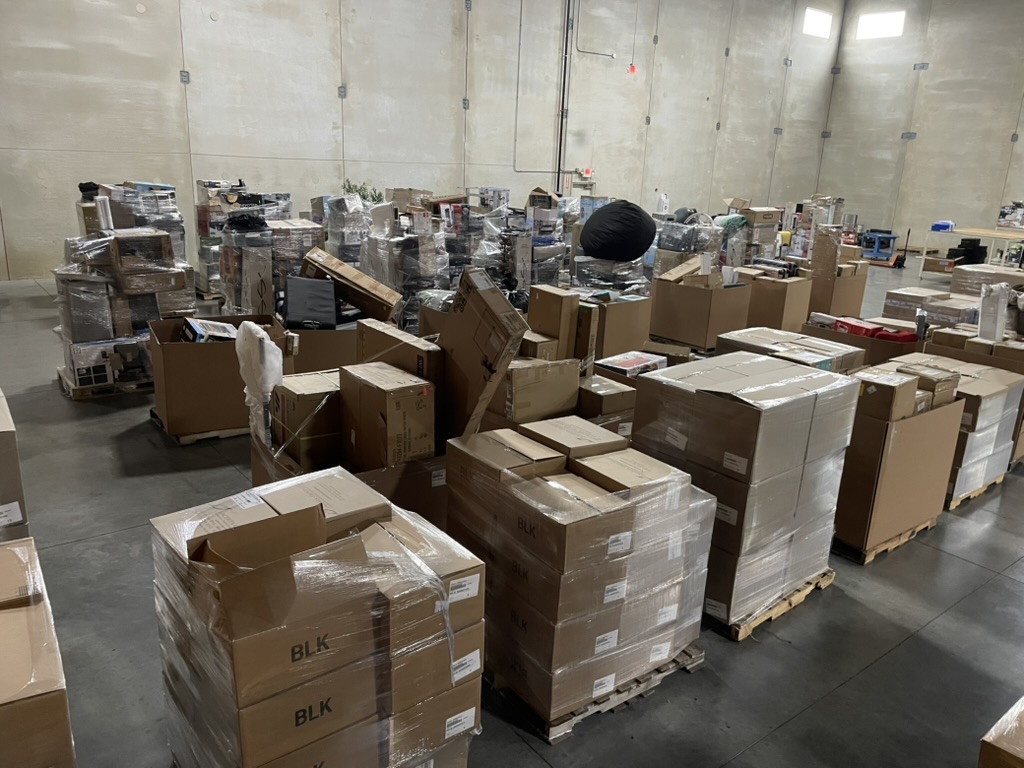
Surplus Depot processes retail returns and overstock into individual auction lots with photos and condition notes. That reduces guesswork compared with pallet buying, but it does not remove risk.
You can build a repeatable sourcing rhythm
Auctions run every week. That matters if you go live consistently and need fresh inventory without scrambling every weekend.
You can mix hype items with margin pieces
Smart live sellers do not build a whole show around risky attention-grabbers. They use those to pull viewers in, then make money on practical items with steadier resale math.
$1 starts and no reserves keep the model honest
Every item sells to the highest bidder. That creates opportunity, but only for buyers willing to walk away when the number stops making sense.
The process
How WhatNot sellers use Surplus Depot auctions
A better system for feeding your live shows without buying blind.
- 1
Browse the current auction for show-friendly categories
Start with categories your audience already responds to: electronics, fashion, shoes, small branded goods, home gadgets, and practical basics. Do not browse like a shopper. Browse like a buyer building a show lineup.
- 2
Read photos and condition notes like your margin depends on it
Because it does. Check for missing parts, obvious wear, opened packaging, and model details. Retail returns can still work well for live selling, but only if the risk is priced in.
- 3
Split lots into attention pieces and profit pieces
A smart live seller wants both. Attention pieces help bring in bids and energy. Profit pieces are the boring items that still move and protect your margin when the exciting stuff underperforms.
- 4
Set a max bid from actual net profit, not gross sale price
Use recent WhatNot, eBay, and local resale comps. Back out platform fees, shipping materials, markdown risk, and the percentage of inventory that may sit or underperform. Then set your ceiling.
- 5
Use max bidding and stop chasing
Bid your number and move on. Live sellers get burned when they treat sourcing like entertainment. The catalog is there to make you money, not to give you adrenaline.
- 6
Plan your buying around the two-week auction cadence
That repeatable schedule helps you restock before you run dry, test new categories in small doses, and scale only after your audience proves what it will buy.
- 7
Pick up in Aurora, IL or use shipping where available
Winning buyers schedule pickup after the auction closes. Bring the right vehicle and know your handling costs before bidding, especially on larger mixed lots.
Is this right for you?
Good fit vs. not a fit
Quick check before you invest time and pickup miles.
We're a Good Fit If
- You sell live consistently and need more repeatable inventory flow
- You understand that buy price matters more than excitement
- You can evaluate lots from photos, notes, and resale comps
- You want to buy specific categories without committing to full pallets
- You are willing to mix attention-grabbing items with steadier margin pieces
- You can pick up in Aurora, IL or buy lots with shipping availability
We're Not a Fit If
- You need every item to be guaranteed new or fully tested
- You overbid when competition heats up
- You only want trendy items and have no plan for slower inventory
- You want fixed wholesale pricing instead of auction pricing
- You are not prepared to work around as-is condition variability
- You need someone else to curate inventory for your audience
Common questions from WhatNot and live sellers
Is this better than buying pallets for live selling?
For many sellers, yes. Pallets give you more volume, but also more junk, more unknowns, and less control. Surplus Depot auctions let you buy individual lots instead of gambling on an entire blind load.
Can I find inventory that works for electronics and fashion lives?
Yes, but you still need to buy carefully. Those categories can perform well because they are visual and familiar, but they also attract more bidder attention and carry more downside if condition is off.
What are margin pieces for a live seller?
Margin pieces are the items that may be less exciting on camera but leave cleaner profit after fees, discounts, and slower sell-through. Think practical goods, accessories, household basics, or mixed lots with multiple sellable units.
How do I know what to bid?
Start from realistic resale comps, not hope. Use sold data where possible, subtract platform fees, shipping costs, packaging, markdown risk, and your target profit. That number is your ceiling.
Do I need to buy a lot of inventory at once?
No. One advantage of this model is that you can start small. Win a few lots, test what your audience buys, and scale only when the numbers make sense.
Is this inventory inspected or guaranteed?
No. Items are sold as-is. You get photos and condition notes, which is far better than buying blind, but you are still responsible for evaluating risk before bidding.
What if I want inventory for both live selling and off-platform resale?
That is often a smart move. Some lots may perform best live. Others may be better cross-listed on eBay, Facebook Marketplace, or bundled into other offers. Flexible sellers usually handle auction inventory better.
Why do some sellers still lose money with auctions?
Usually because they bid emotionally, skip comp work, ignore condition details, or buy inventory that looks fun but does not leave enough room after fees and markdowns. The model rewards discipline, not excitement.
Buy smarter for your next show
Do not let flashy inventory
cover up bad buying decisions.
Use auctions to source the eye-catching items your audience wants and the margin pieces that keep the business healthy. Bid with a ceiling. Buy with a plan.
New auctions run every week — enough to keep your inventory fresh without forcing you into blind bulk buys.