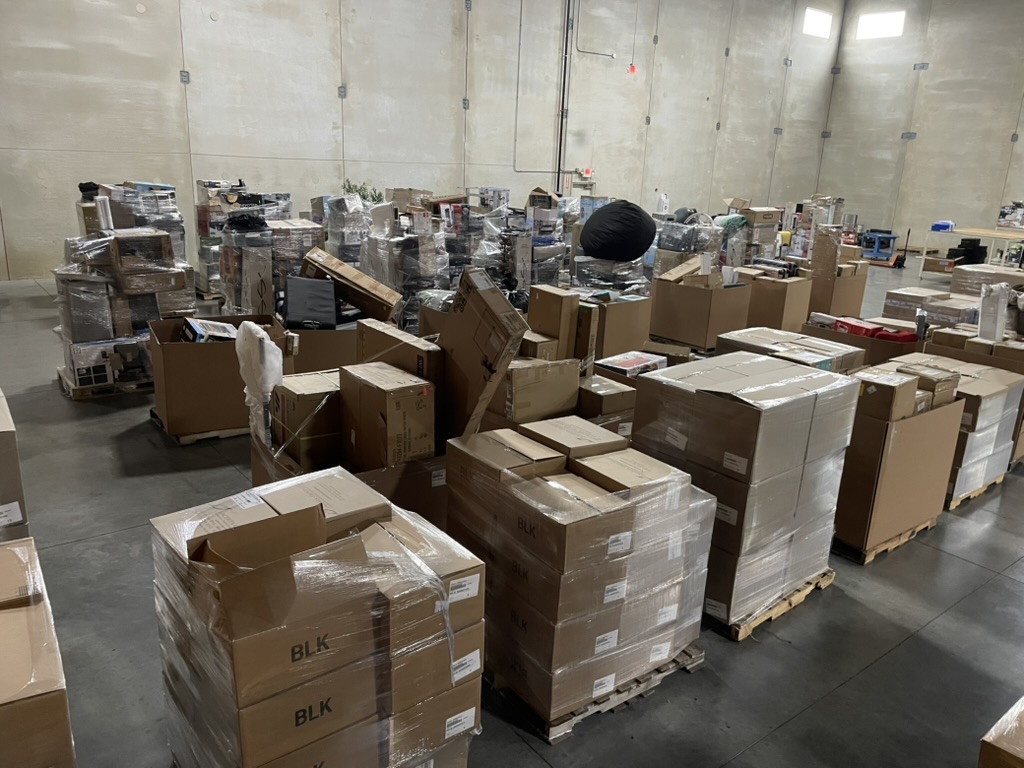
Buy broken, incomplete, or salvage inventory — and turn skill into margin.
If you know how to test, repair, combine parts, or sell components separately, auction inventory can open up deals other buyers skip. The money is not in getting perfect items. It is in knowing what is fixable, what is worth parting out, and where to stop bidding.
Why this model works
Why repair-minded buyers use auctions
This buying model fits people who know how to create value after the sale instead of expecting value to be built in.
You can buy problems other buyers avoid
Cosmetic damage, missing accessories, incomplete sets, and salvage condition scare off buyers who need ready-to-sell inventory. That can leave room for repair-minded buyers — but only if the fix is worth the effort.
Multiples can turn into complete units
When similar items show up across lots, you may be able to combine pieces, swap parts, or build one strong unit out of several weaker ones. That creates optionality, but it also takes sorting, testing, and storage.
You set your own ceiling
With online auctions, you decide your max bid based on resale value, parts value, and labor. No reserves and $1 starts help, but the real edge is discipline.
You can buy for three different exits
The same lot might work as a repaired resale item, a local parts listing, or an eBay teardown play. More exit paths can protect margin, but only if you know which path is realistic before bidding.
You can build a repeatable sourcing rhythm
Surplus Depot runs auctions every week, so you can review lots, plan pickups, and scale gradually instead of relying on random opportunities.
The process
How refurbishers use Surplus Depot auctions
Buy with a repair plan, not just a low bid.
- 1
Look for lots with a repair angle
Browse the current auction and focus on categories you already understand. Search for items where condition issues are clear enough to price: missing parts, cosmetic damage, open box returns, incomplete sets, or salvage units you can evaluate.
- 2
Study the photos and notes like a buyer, not a browser
Zoom in. Check what is actually there. Look for power cords, attachments, trays, shelves, remotes, batteries, hardware packs, and model numbers. Condition notes matter because items are sold as-is and small missing parts can change the whole deal.
- 3
Price the lot three ways before you bid
Run the numbers as a repaired item, as a parts-out item, and as a worst-case loss. Include replacement parts, your labor time, selling fees, and how long the item may sit before it sells.
- 4
Set a hard max bid
Use the max bid feature and let the system work for you. Your number should leave room for mistakes, dead parts, and slower-than-expected sales. If bidding goes past your number, let it go.
- 5
Win, pay, and schedule pickup in Aurora
Winning bidders get an email after the auction closes and the card on file is charged. Schedule pickup by appointment in Aurora, IL. Bring a vehicle and supplies that match what you won. Back at your workspace, sort quickly into repair, parts, combine, and scrap piles so cash does not get trapped in backlog.
- 6
Track what actually paid off
The best buyers do not just remember wins. They track categories, defect types, replacement part costs, and real resale outcomes. That is how you learn which lots deserve aggressive bids and which ones only look cheap.
Is this right for you?
Good fit vs. not a fit
Quick check before you invest time and pickup miles.
We're a Good Fit If
- You are handy and already repair, rebuild, test, or part out items
- You can judge whether damage is cosmetic, fixable, or a money pit
- You are comfortable buying as-is based on photos and notes
- You have a place to sort, test, store, and stage inventory
- You want a repeatable source instead of chasing random local finds
We're Not a Fit If
- You need guaranteed working condition on every purchase
- You do not want to spend time diagnosing, combining, or breaking down items
- You need every item to be immediately resale-ready
- You do not know your parts costs, resale channels, or labor limits
- You are looking for a risk-free sourcing model
- You cannot make the drive to Aurora, IL for pickup
Common questions from refurbishers and fixer-upper buyers
Can I buy salvage inventory just for parts and still make money?
Yes, but only if you already know what parts move and what they are worth. Parts-only buying works best when you understand model compatibility, shipping effort, and how long those listings usually sit.
What is the advantage of auctions over buying broken items on Facebook Marketplace?
Marketplace can still work, but it is time-heavy and inconsistent. Auctions give you a repeatable schedule, item-level choice, and the ability to set your own max bid instead of haggling one deal at a time.
How do I know whether to repair, combine, or part out a lot?
Decide that before you bid. Look at what is included, what is missing, how many similar units are available, what parts cost, and what each exit path should return after fees and labor.
Do Surplus Depot auctions ever have multiples of the same item?
Yes. That matters for this audience because multiples can create options: build complete working units, swap components, keep one for parts, and sell the strongest units locally or online.
Is this a good way to source inventory for eBay?
It can be. Many buyers use auctions for repairable items, for-parts listings, or component sales on eBay. It works best when you know the category well and can estimate the real sell-through pace.
Do I need a business license or resale certificate to buy?
No. Surplus Depot auctions are open to the public. You do not need a dealer license, resale certificate, or business registration to participate.
Can I preview items in person before the auction?
There is no public preview period. All information is in the listing — photos, condition rating, and any notes. If you want additional photos on a specific lot before bidding, email auctions@thesurplusdepot.com and we will do our best to help.
Is shipping available?
Shipping is available on select lots. Most buyers pick up in Aurora, IL. Check individual lot listings for shipping availability and estimated costs.
Buy with a repair plan
Your edge is not getting perfect inventory.
It is knowing what imperfect inventory is still worth buying.
Browse current lots, set your ceiling, and buy inventory you can repair, combine, part out, or flip. No reserves. $1 starts. Pickup in Aurora, IL.
New auctions run every week — enough cadence to test small, learn fast, and scale what actually pays.