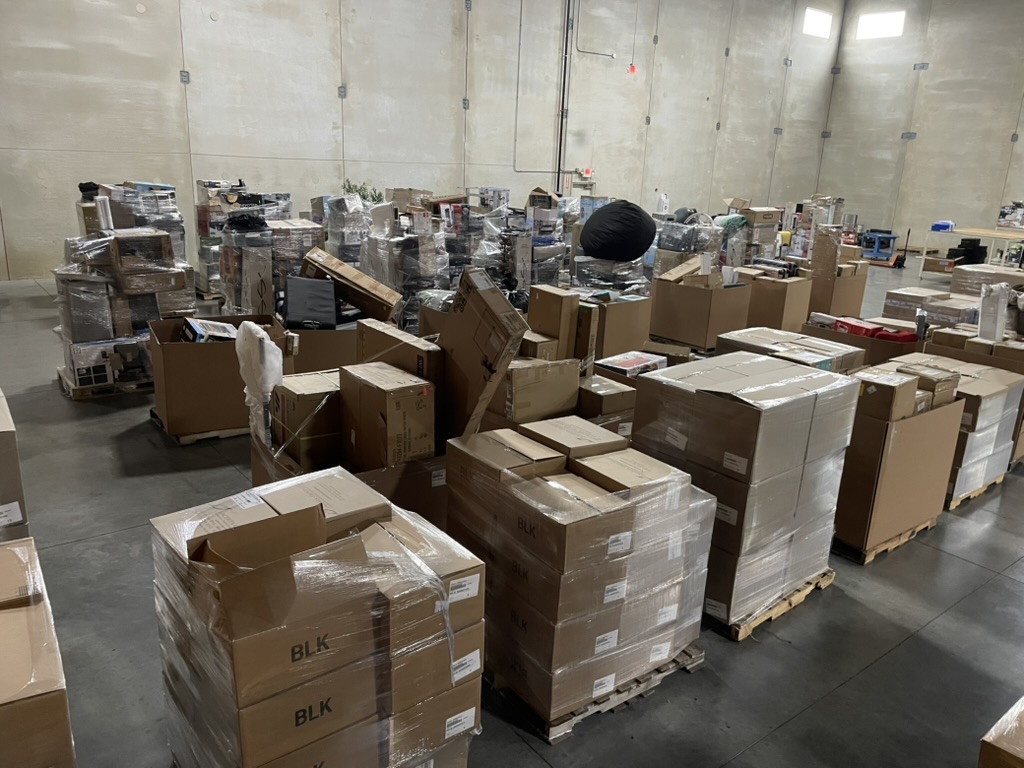
Buy project inventory with margin in mind — not retail pricing.
If you renovate houses, turn units, or manage build schedules, auction buying can be a practical way to source vanities, fixtures, and other building materials. The upside is price control and repeatable access.
Why auctions work
Why this model can make sense for project-driven buyers
The appeal is not just lower prices. It is having another sourcing channel that gives you flexibility when retail is too expensive and bulk buying is too rigid.
You can target high-cost categories like vanities
Vanities, fixtures, and other finish materials can eat up project budgets fast. Auctions let you bid lot by lot instead of paying retail across the board.
The buying cadence is repeatable
Auctions run every week, so this is not a one-time score. Buyers can check new lots regularly and build a process around upcoming jobs and turns.
You control the maximum price
There are no reserves and lots start at $1. You decide what the item is worth for your project and set a max bid. If the number stops making sense, you let it go.
You can review the lot before bidding
Photos and condition notes give you something to evaluate before you buy. There is no in-person preview period, so this is your due diligence before you commit.
You can buy at the scale your workflow supports
A flipper may buy for one house. A property manager may buy for a few upcoming turns. A developer may test categories before using auctions more aggressively. You do not need to jump straight into pallet volume.
It rewards buyers who know how to price risk
This model works best when you understand the difference between a cheap lot and a usable lot. Buyers who can evaluate replacement cost, missing parts, and install impact usually do better over time.
The process
How flippers, property managers, and developers use Surplus Depot auctions
From scanning lots online to picking up in Aurora.
- 1
Browse the live HiBid catalog for project-relevant lots
Open the current auction and look for vanities, fixtures, hardware, and other building materials that fit actual jobs on your board. Start with needs you already understand instead of chasing random deals.
- 2
Read the photos and condition notes like a buyer, not a browser
Check dimensions, finish, visible damage, missing hardware, packaging condition, and anything that affects install time or resale value. Items are sold as-is, so this is where your decision gets made. If you need extra photos before bidding, email auctions@thesurplusdepot.com.
- 3
Set your max bid based on project math
Use your replacement cost, expected labor impact, and acceptable savings threshold. A vanity is only a deal if the final number still works after risk, pickup, and any missing parts.
- 4
Use max bidding and let the auction work
Enter the highest number you are willing to pay and stop there. Competitive bidding is normal. The disciplined buyers are the ones who keep margin instead of winning everything.
- 5
If you win, confirm next steps and schedule pickup
Winning bidders receive email notification, the card on file is charged automatically, and you schedule pickup by appointment in Aurora, IL. Treat the purchase like job inventory: confirm where it is going, who is picking it up, and when it needs to be installed or staged.
- 6
Pick up in Aurora and move fast
Bring the right vehicle and make sure the crew knows what they are loading. Good buying decisions get wasted when pickup planning is sloppy. Shipping is available on select lots only, so assume Aurora pickup unless the listing says otherwise.
Is this right for you?
Good fit vs. not a fit
Quick check before you invest time and pickup miles.
We're a Good Fit If
- You buy for renovations, turns, or smaller project scopes and want another sourcing channel besides retail
- You are comfortable making buying decisions from photos and condition notes
- You can price items based on real project needs, not wishful savings
- You have enough flexibility to use opportunistic buys when the numbers work
- You can handle pickup in Aurora, IL and manage storage for what you buy
We're Not a Fit If
- You need uniform product across every project with no condition variation
- You cannot accept any as-is risk
- You need exact, guaranteed quantities on a fixed procurement schedule
- You do not have the time to review listings carefully before bidding
- You want someone else to pre-screen every lot for install readiness
- You cannot send a crew or vehicle to Aurora for pickup on most purchases
Common questions from flippers, property managers, and developers
Are auctions actually worth it for renovation work?
They can be, especially on categories where retail pricing is high and you can evaluate risk clearly. The model works best when you are selective and buy against real project needs, not just low opening bids.
Why do vanities do well in this format?
Because retail vanity pricing adds up fast, and many buyers can use one-off or small-batch units across flips, turns, and smaller projects. The key is checking dimensions, included components, and visible condition before bidding.
How is this different from buying a full liquidation pallet?
You are bidding on individual lots, not committing to a mixed pallet you have to sort through. That gives you more control over category, quantity, and risk, which matters when you are buying for actual properties.
What can go wrong if I buy the wrong lot?
The most common problems are damaged product, missing parts, wrong size, wrong finish, or a lot that looked cheap but does not fit any active job. That is why disciplined buyers set a max bid and treat condition notes seriously.
Can I use this for recurring property turns?
Yes, if you are flexible. Many property managers use auctions as a supplemental source for turn inventory and replacement items. It is less useful when you need exact standardized product on a rigid schedule.
Do I need to buy in bulk to make this worthwhile?
No. Many buyers start with a few lots, learn how the process works, and scale only after they know which categories fit their workflow. That is one of the advantages of the individual-lot model.
Do I need to know exactly what I am looking for before bidding?
That usually helps. Buyers who perform best tend to know their dimensions, target finish ranges, replacement costs, and what problems they are willing to tolerate before they ever place a bid.
Do I need a business license or resale certificate to register and bid?
No. You can register and bid without a business license or resale certificate.
Can I preview items in person before bidding?
No. There is no preview period. Photos and condition notes are the due diligence tool, and you can email auctions@thesurplusdepot.com before bidding if you need additional photos on a specific lot.
Is shipping available?
Sometimes. Shipping is offered on select lots, not all. Most buyers should plan on pickup in Aurora, IL unless the listing clearly states shipping is available.
A practical sourcing channel
Do not pay retail by default.
Buy what fits the job, at a price you can defend.
Browse current auction lots, review photos and notes, and bid on vanities, building materials, and project inventory that make sense for your properties. No reserves. $1 starts. Pickup in Aurora, IL.
New auctions run every week — useful if you want a repeatable buying rhythm instead of waiting for random one-off deals.