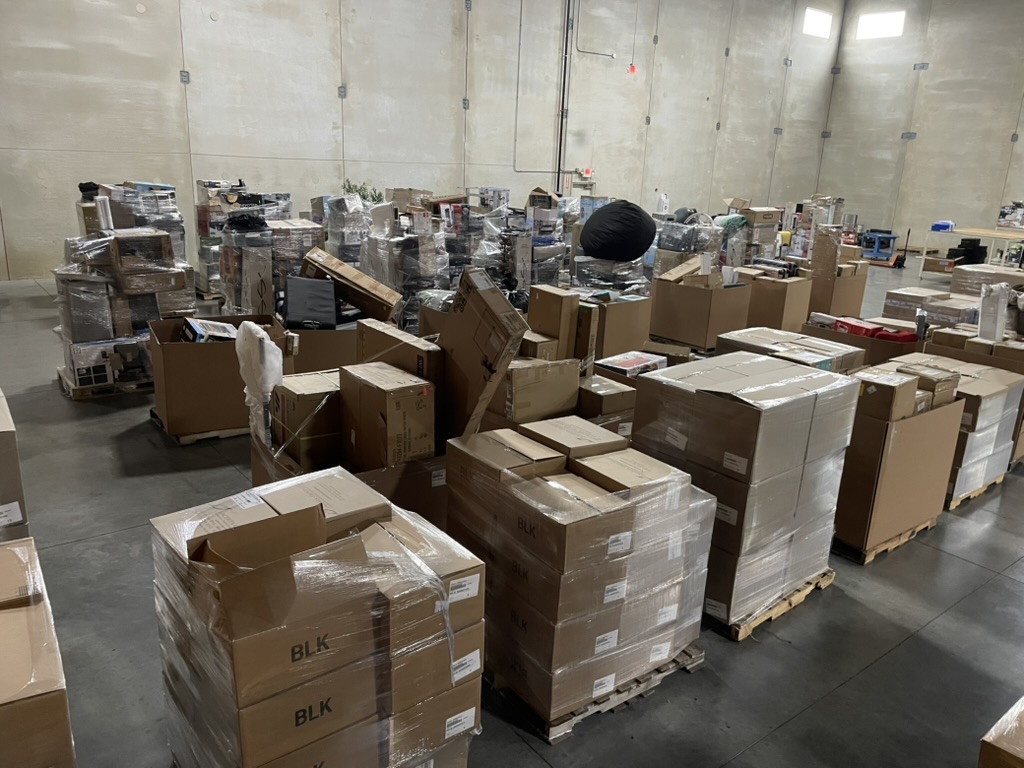
Buy jobsite inventory without paying retail every time.
If you know what you can use, what you can repair, and what you need to avoid, online auctions can be a practical way to source tools, fixtures, and supplies at lower cost.
Why this can work
Where auctions make sense for contractors and trades
This model is not for emergency buying. It is for disciplined buyers who know their numbers and can separate useful risk from dumb risk.
Lower replacement cost on non-urgent items
Good fit for backup tools, spare shop equipment, and stock items you do not need today. The tradeoff is waiting for the right lot instead of buying on demand.
You can be selective
Lots include photos and condition notes, so you can screen for missing parts, cosmetic wear, or signs of use before bidding. It is still as-is, but not blind.
Useful for buyers who can fix or combine value
A contractor who can replace a hose, battery, fitting, or accessory may see value where a casual buyer does not. The tradeoff is you need the time and skill to do that work.
You can buy small and build a system
Start with one or two lots, learn what categories pay off, and scale from there. You do not need to jump straight into pallet volume.
Repeatable auction cadence helps planning
New auctions run every week. That makes it easier to build a sourcing routine for shop supplies, replacement tools, and resale-side opportunities.
$1 starts and no reserves keep pricing honest
Every lot sells to the highest bidder. That creates opportunity, but only if you stay disciplined when a lot gets competitive.
The process
How contractors use Surplus Depot auctions without getting burned
The goal is not to win a lot. The goal is to win at a number that still makes sense after risk.
- 1
Browse the current auction by trade relevance
Open the live HiBid catalog from our auctions page. Start with categories that match how you actually work: power tools, hand tools, ladders, lighting, fixtures, storage, fans, vacuums, appliances, or shop gear. Do not browse like a bargain hunter. Browse like a buyer with a use case.
- 2
Read the condition notes and study the photos
Look for wear, broken packaging, missing accessories, damaged housings, cut cords, cracked casings, or signs the item was opened and used. Condition notes matter because everything is sold as-is. Only bid on lots that fit immediate use, backup shop inventory, or resale value you understand — skip the rest.
- 3
Set your max bid from replacement value, not from excitement
Ask one question: what is this worth to me in its current likely condition? If a new one costs $200, that does not make an uncertain return worth $160. Build in room for missing parts, testing time, and the chance it is not job-ready.
- 4
Use max bidding and stop there
Enter the highest number that still works for you and let HiBid bid up to that amount. Do not keep bumping your ceiling in the final minutes just because you already spent time looking at it.
- 5
Get notified if you win
After the auction closes, winning bidders receive an email. Your card on file is charged automatically. Watch for the message so you can schedule pickup without losing time on the calendar.
- 6
Schedule pickup in Aurora, IL
Pickups are by appointment. Winning is the easy part — make sure the lot fits your vehicle, trailer, crew availability, and pickup window. Large or awkward items stop being deals when logistics become a problem.
Is this right for you?
Good fit vs. not a fit
Quick check before you invest time and pickup miles.
We're a Good Fit If
- You want to lower replacement cost on tools, fixtures, or support equipment
- You can judge value from photos, notes, and your own trade knowledge
- You are comfortable buying as-is and pricing in some failure rate
- You have flexibility on timing and do not need every item immediately
- You can pick up in Aurora, IL and handle your own logistics
We're Not a Fit If
- You need guaranteed new-condition inventory for scheduled jobs
- You cannot absorb any misses, repairs, or incomplete items
- You expect every lot to be ready for immediate field use
- You do not have the time to review listings carefully before bidding
- You need fixed wholesale pricing instead of competitive bidding
- You cannot arrange pickup in Aurora, IL
Common questions from contractors and trades
Is this a good way to buy tools for my crew?
It can be, especially for backups, shop tools, secondary sets, or lower-priority replacements. It is less ideal for a must-have primary tool you need on a live job with no room for failure.
Are these lots better than buying a full pallet?
For many contractors, yes. Individual lots give you more control. You can target the categories you actually use instead of taking on a pallet full of mixed inventory and hoping enough of it works out.
Can I inspect items before bidding?
There is no public preview period. Your decision is based on the lot photos and condition notes in the listing. If you want additional photos on a specific lot before bidding, email auctions@thesurplusdepot.com and we will do our best to help.
What kinds of contractors usually get the most value from this?
Buyers who already understand the items they are bidding on tend to do best. Remodelers, handymen, property maintenance operators, electricians, plumbers, and HVAC buyers often spot usable value faster because they know what missing pieces, wear, or repair needs really mean.
How should I decide my max bid?
Start with what the item is worth to your business in likely as-is condition. Then subtract room for missing parts, repair effort, testing time, and the chance you cannot use it. That number is your ceiling.
Is this only for businesses?
No. Surplus Depot auctions are open to the public. You do not need to be a large company to bid. Solo tradespeople and small operators can start with a few lots and build from there.
Do I need a business license or resale certificate to bid?
No. You do not need a dealer license, resale certificate, or business registration to participate.
What happens if I win something that turns out not to work?
Items are sold as-is. There are no guarantees of perfect condition. That is why informed buyers treat photos, notes, and bid discipline as part of the buying process, not as an afterthought.
Can I get items shipped, or do I need to pick them up?
Shipping is available on select lots, but many buyers pick up in Aurora, IL. Always check the individual listing so you understand what is available before bidding.
Buy smarter for the next job
Use auctions for the items you can buy with discipline.
Buy retail only when you need certainty.
Browse current lots, review the details, set your max bid, and source tools, fixtures, and support equipment at a number that makes sense for your business.
New auctions run every week with $1 starts and no reserves — a practical rhythm for contractors who want a repeatable sourcing channel.